
Something feels uncertain
An event, a memory, a sound, or an ambiguous interaction draws attention.
The moment may be ordinary. The room may be quiet. Yet part of you is still watching, bracing, or waiting for something to go wrong. Here is what hypervigilance means, what science can tell us, and what remains uncertain.
Hypervigilance is heightened watchfulness for potential danger. Your attention may repeatedly scan people, places, sounds or bodily sensations for signs that something is wrong. It can be exhausting when that watchfulness continues in situations that are currently safe.
Hypervigilance may occur with trauma-related difficulties, including PTSD, but the experience of feeling on guard is not a diagnosis on its own. Persistent tension, poor sleep or a racing pulse also have many possible causes. [1][2]
This simple conceptual sequence makes the experience easier to picture. Real stress and trauma responses are more varied than any single diagram.
An event, a memory, a sound, or an ambiguous interaction draws attention.
You listen, watch faces, anticipate conflict or search for what might happen next.
Breathing, muscle tension, alertness or sleep can shift with arousal.
The situation settles, but checking and readiness may continue.
Conceptual illustration of a lived experience. Not a validated diagnostic cycle, neurological map or proof of a particular autonomic state.
These experiences can occur with sustained stress or vigilance, but none is specific to hypervigilance. Think of them as prompts to notice, not a checklist for self-diagnosis.
You notice your teeth pressed together at your desk or while driving. Pain, dentistry and sleep-related conditions can also matter.
You go to bed tired but find yourself listening, thinking or having difficulty settling.
You wake unrefreshed or mentally slow. Sleep disorders and other medical causes should not be overlooked.

The day is calm, yet you remain on edge, easily startled or unable to stop checking.
Inspired by NeuraGrip's "Feelers" such as Jaw Clench, Morning Fog and Background Hum. These are educational prompts, not recognised clinical categories.
Select any descriptions you recognise. Nothing is saved or transmitted, and this is not a clinical screening tool.
Select an item to reflect on it.
Aseem Gupta's framework asks people to begin with their lived experience, then consider whether body-side measurements add useful context. Neither layer invalidates the other.
"I feel calm," "I am on edge," "I slept but did not recover," or "my jaw is tight." These are meaningful observations that only you can describe.
Lived experience comes first.Heart rate, heart-rate variability, breathing estimates and sleep trends may provide additional context when measured consistently and interpreted appropriately.
A measurement is not a diagnosis.Where the science stops: HRV is associated with stress and several mental-health conditions at group level, but a single HRV reading cannot establish hypervigilance, PTSD or "autonomic bracing." Device quality, breathing, posture, illness, medication and context affect interpretation. [3][4][7]
Heightened monitoring for potential threats. It may appear as a symptom within different clinical contexts.
A broader state of increased activation, which can involve sleep disturbance, startle responses, irritability or attention changes. [1][2]
A diagnosable condition with specific criteria. Hypervigilance can be one symptom, but it cannot establish PTSD by itself.
Aseem Gupta's educational way of describing sustained defensive readiness and patterns worth observing. It is not a medically validated diagnosis or treatment.
The site's existing framework names Vigilance, Breath, Posture and Fuel. These are practical lenses for reflection, not claims that four discrete biological "locks" have been clinically demonstrated.
What keeps capturing your attention? Do you find yourself monitoring the room, other people or your own reactions?
Notice whether your breathing becomes small or held when concentrating, waiting or feeling pressured.
Check for sustained jaw, shoulder or neck tension while remembering that posture and pain have multiple causes.
Observe sleep, food, caffeine, energy and recovery patterns without assuming every metabolic change comes from stress.
Explore the complete, evolving framework in YOU ARE NEURAGRIPPED and inspect the source evidence in the NeuraGrip Science Library.
No single technique is a universal fix. The useful starting point is noticing patterns, adjusting what is controllable, and seeking appropriate help when symptoms are persistent or disruptive.
When do you feel most on guard? What happened just before? A short record can reveal situations worth discussing or changing.
Protect regular sleep opportunities, take breaks from constant stimulation, and use comfortable grounding or breathing practices if they help.
Symptoms that impair sleep, relationships or daily functioning deserve assessment. For diagnosed PTSD, evidence-based therapies such as trauma-focused CBT and EMDR are recommended by NICE. [2]
In his published Article, Aseem Gupta frames the arrival of the January books as an opportunity for a more precise discussion. Psychological experience matters. Physiology can add context. The challenge is explaining both without confusing an observation with a clinical diagnosis.
Visit AseemGupta.me →Their U.S. publisher listings point to two January releases. They approach the subject from distinct angles. NeuraGrip adds a separate author-led discussion about the body's observable responses and the limits of physiological interpretation.
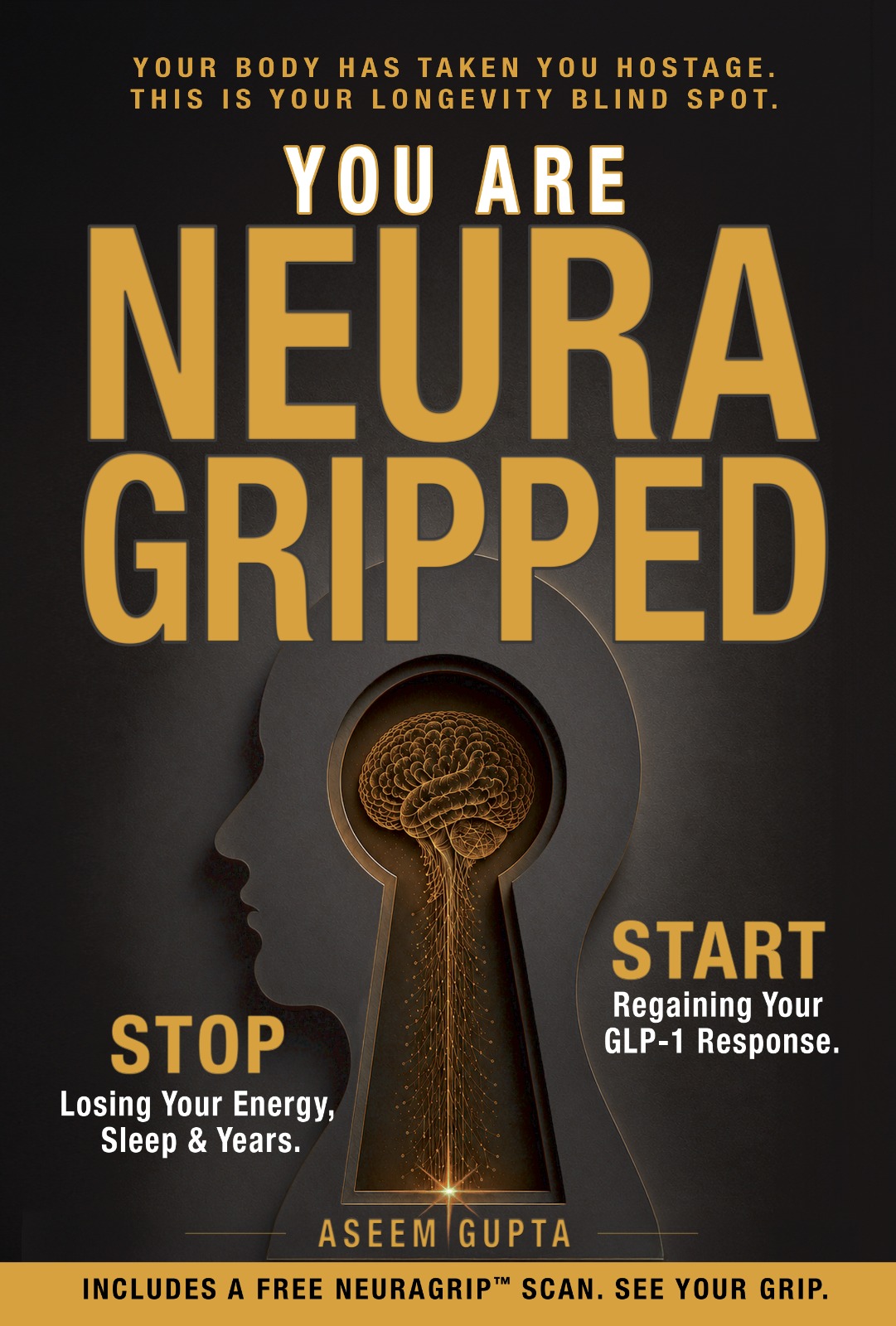
Gupta brings the discussion to the felt-versus-measured gap: what people experience, what physiology may help contextualise, and the discipline required not to overclaim from a wellness reading.
Discover the book and free previewWhy can a person feel safe while still noticing signs of physical readiness? Aseem Gupta, author, inventor and health-tech founder, developed NeuraGrip as an educational framework to explore that gap.
His approach draws on observations from more than 300,000 anonymised physiological readings. Those observations are not an independently validated clinical dataset proving that NeuraGrip identifies hypervigilance. The value of the framework is in the question it asks, the boundaries it makes visible, and the conversation it opens.
The January books offer psychological and brain-focused perspectives. Gupta's contribution is a complementary discussion of felt experience, measurement and sustained defensive readiness, informed by his work at the intersection of technology and wellness.
About Aseem Gupta →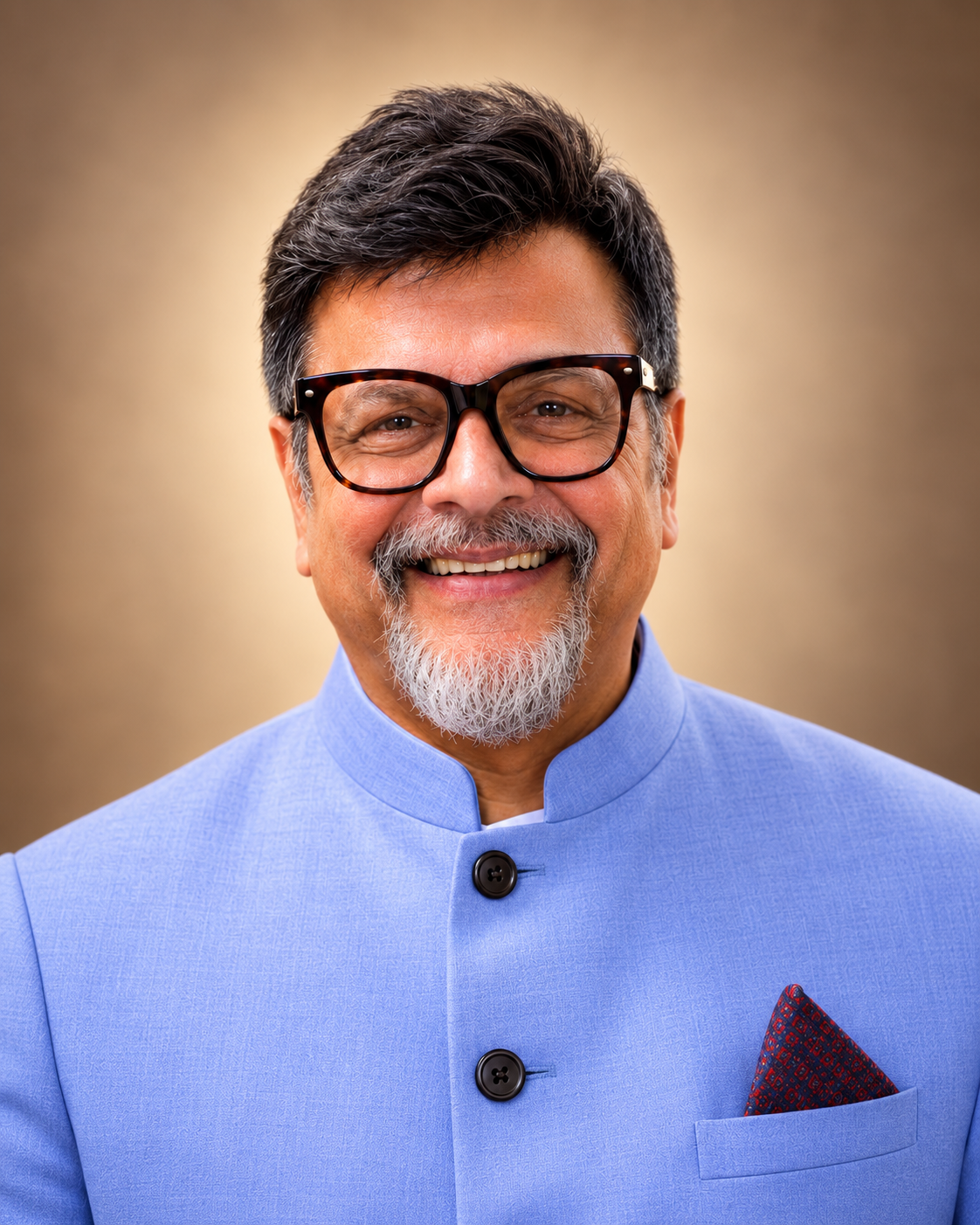
Constantly checking for danger, feeling on edge, scanning other people's expressions, heightened startle reactions, and difficulty relaxing or sleeping are common descriptions. They can also occur for other reasons. Hypervigilance is not established by any one sensation. [1][2]
People can become accustomed to their own patterns of checking or tension and may not immediately notice how often they do them. Recognising a pattern still does not establish a diagnosis. A clinician can help evaluate persistent or disruptive experiences.
Anxiety can include worry, anticipation and physical symptoms across many situations. Hypervigilance refers more specifically to heightened monitoring for potential threats. They can overlap, but neither term should automatically replace the other.
No. Hyperarousal is broader and may include irritability, sleep disruption, heightened startle and a sense of being keyed up. Hypervigilance is the monitoring-for-danger component. Both are discussed in PTSD guidance. [1][2]
Yes. Heightened vigilance can be described in situations other than PTSD. PTSD itself requires a particular set of clinical criteria, and hypervigilance alone cannot diagnose it. [1]
Dysautonomia refers to conditions involving impaired autonomic nervous-system function and may require medical testing. Hypervigilance describes attention and alertness to threat. Similar-feeling symptoms do not make them the same condition, and a wellness reading cannot distinguish them.
Attention, learned associations, stress responses and bodily sensations do not always align with a conscious judgment of safety. That mismatch may be worth exploring, but several psychological, sleep-related and medical explanations are possible.
No. HRV is influenced by autonomic activity and many other factors. Research reports group-level associations with stress and some mental-health conditions, but there is no validated single HRV number that diagnoses hypervigilance in an individual. [3][4][7]
Feeling highly alert or keyed up can accompany trouble sleeping and concentrating. These problems can also have other causes, so persistent symptoms deserve proper evaluation. [1][2]
Not by itself. Jaw clenching may be noticed during stress or concentrated activity, but dental problems, sleep-related bruxism, medications and other factors can also contribute. Persistent jaw pain or dental damage warrants professional assessment.
There is not enough evidence to say that hypervigilance causes a GLP-1 treatment plateau or that NeuraGrip predicts individual drug response. Metabolic outcomes reflect many factors. Discuss medication and weight-management concerns with your prescribing clinician.
Notice when it happens, consider sleep and everyday demands, and discuss persistent or distressing symptoms with a qualified healthcare professional. If trauma-related symptoms are involved, there are evidence-based treatments. [2]
NeuraGrip uses the term for its proposed idea that readiness may continue to show up in bodily patterns after the immediate demand has passed. It is a framework term, not an established clinical diagnosis or a validated independent biomarker.
No matching questions. Try "alert", "sleep", "PTSD" or "HRV".
These are external references underlying the clinical boundaries and HRV discussion. The NeuraGrip Science Library provides the book's broader supporting bibliography and distinguishes published science from internal observations.
Understand the language, inspect the evidence, read the book, and decide what is relevant to your own experience.